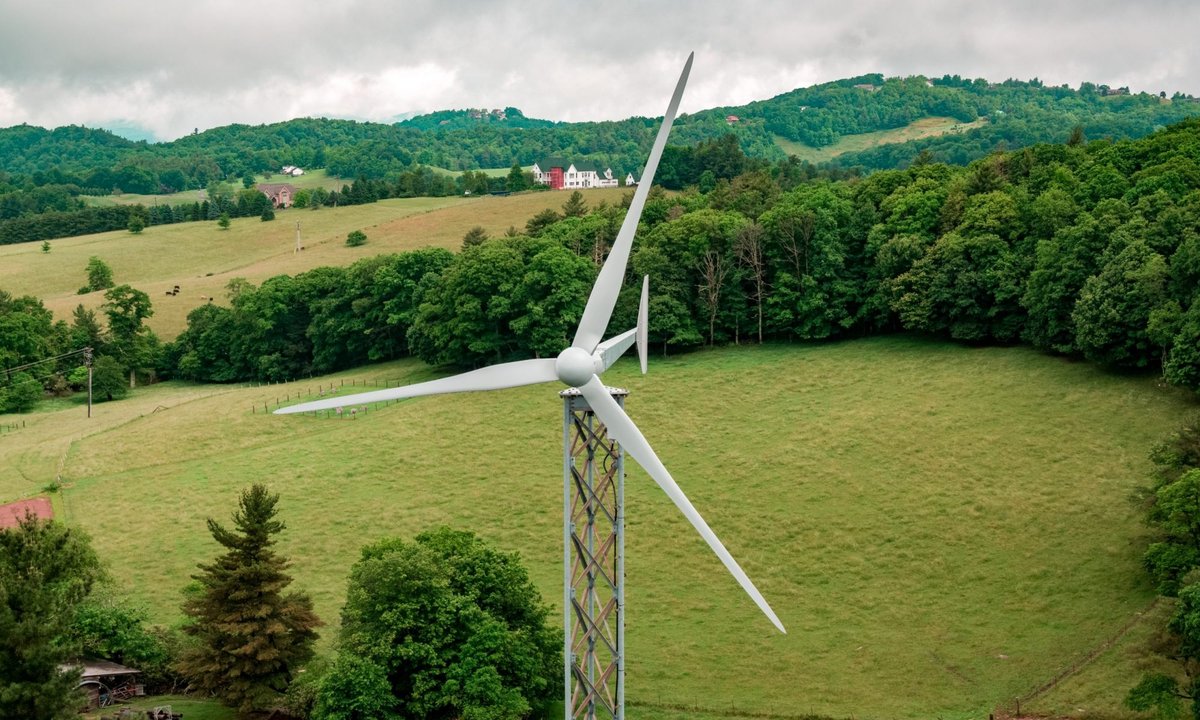
Harnessing the invisible currents above your property for true energy independence sounds like a dream, but for many, Wind Energy Systems for Self-Sufficiency are making it a tangible reality. In a world increasingly concerned with energy security, volatile fossil fuel markets, and the push for a greener future, the power of the wind offers a compelling path to powering your home on your terms. No more nail-biting over electricity bills or worrying about distant geopolitical events impacting your lights; imagine tapping into a local, abundant, and entirely free resource.
This isn't just about saving money; it's about building resilience, securing your household against an unpredictable grid, and significantly reducing your environmental footprint. Whether you dream of going completely off-grid or simply want a robust backup system that bolsters your connection, understanding the ins and outs of residential wind power is your first step toward a more sustainable and independent future.
At a Glance: Your Path to Wind-Powered Independence
- Understand Your Wind Resource: Not every location is ideal; assess your average wind speed (aim for 5.5 m/s or 12.3 mph) with an anemometer.
- Capacity is Key: Residential turbines typically operate at a 20-40% capacity factor, impacting their actual energy output.
- Embrace Storage: Batteries (especially lithium-ion) are crucial for consistent power, buffering wind variability.
- Consider Hybrid Systems: Pairing wind with solar or a backup generator offers maximum reliability.
- Navigate Permitting: Local regulations are a significant hurdle; research them early.
- Invest in Professional Help: Siting, installation, and maintenance require expertise for safety and efficiency.
- Enjoy Long-Term Benefits: Reduced energy bills, a lower carbon footprint, and enhanced energy security.
The Unstoppable Current: Why Wind Energy Matters for Your Home
The global conversation around energy has shifted dramatically. Historically, over-reliance on single foreign energy suppliers has proven costly, with the 1970s oil crisis and Europe's 2022 gas price spikes serving as stark reminders. These events underscore a universal truth: energy independence isn't just a geopolitical aspiration; it's a personal one, too. Wind stands out as a unique solution because it's local, relatively fast to build, and inherently decentralized, helping to stabilize electricity prices and fortify energy independence for nations and homeowners alike.
For you, this translates to tangible benefits. Imagine a power outage that leaves your neighbors in the dark while your lights stay on, thanks to your personal wind turbine and battery bank. Picture monthly energy bills shrinking to a fraction of their former size, or even disappearing entirely. This isn't just a fantasy; it's the promise of Wind Energy Systems for Self-Sufficiency, offering a tangible pathway to secure, affordable, and sustainable energy right from your own property. It’s a proactive step toward a more resilient lifestyle, empowering you to take control of one of your most fundamental needs.
Sensing the Breeze: Assessing Your Property's Wind Potential
Before you start picturing a sleek turbine spinning in your backyard, the most critical step is to objectively assess your property's wind resource. Not all locations are created equal when it comes to harnessing wind power.
What Makes a Good Wind Site?
Ideal sites for residential wind turbines typically share a few characteristics:
- Consistent Wind Speeds: This is paramount. You're looking for an average annual wind speed of at least 5.5 meters per second (approximately 12.3 mph). While lower speeds might generate some power, they often won't justify the investment.
- Open Exposure: Wind needs to flow freely. Obstructions like tall buildings, dense tree lines, or hills can create turbulence and reduce the usable wind speed. Coastal areas, open plains, and hilltops often provide excellent exposure.
- Clearance Above Obstacles: The higher your turbine's tower, the more consistent and stronger the wind it will capture. Turbines should generally be placed at least 30 feet (9 meters) higher than any obstacle within 300 feet (90 meters) for optimal performance.
How to Measure Your Wind Resource
Guessing isn't good enough. You need data.
- Anemometer Installation: The most accurate method is to install an anemometer, a device that measures wind speed, at the proposed height of your turbine for at least a year. This provides invaluable data on your average wind speed, prevailing directions, and seasonal variations. Many companies specialize in this kind of preliminary assessment, and it's a wise investment to avoid costly mistakes.
- Local Wind Maps and Data: While less precise for your specific microclimate, regional wind maps and data from nearby weather stations or airports can offer a preliminary indication of potential. However, always prioritize on-site measurements for a precise evaluation.
Remember, a professional site assessment will consider not only wind speed but also factors like zoning regulations, local permitting requirements, and potential interference with neighbors or wildlife. This early investment in accurate assessment is fundamental to the success of your Wind Energy Systems for Self-Sufficiency.
Decoding Residential Wind Turbines: Powering Your Home's Future
Once you've confirmed your property has a viable wind resource, it's time to understand the heart of your system: the turbine itself. Residential wind turbines are sophisticated pieces of engineering designed to efficiently convert kinetic wind energy into usable electricity.
Horizontal vs. Vertical Axis Turbines
While many types exist, residential systems typically fall into two main categories:
- Horizontal Axis Wind Turbines (HAWTs): These are what most people picture – the classic "propeller" style with blades rotating around a horizontal axis. They are generally more efficient for larger power generation and are the most common type for both utility-scale and many residential applications.
- Vertical Axis Wind Turbines (VAWTs): These turbines have blades that rotate around a vertical axis, resembling eggbeaters or helices. They are often less efficient than HAWTs but can be better suited for turbulent, urban environments and tend to be quieter. Their compact footprint can make them an option where space is extremely limited.
Key Specifications and What They Mean for You
When evaluating turbines, you'll encounter a few critical terms:
- Power Rating (kW): This indicates the maximum electrical power the turbine can produce under ideal wind conditions. Residential turbines typically range from 1 kW to 10 kW, depending on your energy needs. A 5 kW turbine, for instance, can theoretically produce 5 kilowatts of power when the wind is blowing optimally.
- Cut-in Speed: This is the minimum wind speed required for the turbine to start producing electricity. A lower cut-in speed means your turbine will generate power more often.
- Rated Speed: The wind speed at which the turbine reaches its maximum power output (its power rating).
- Cut-out Speed: The wind speed at which the turbine automatically shuts down to prevent damage from excessively high winds.
- Capacity Factor (CF): This is perhaps the most crucial metric for understanding real-world performance. A turbine's power rating assumes it's always operating at peak efficiency, which never happens due to wind variability. The capacity factor tells you the actual energy output relative to its maximum potential over a given period.
For residential turbines, capacity factors typically range from 20% to 40%. So, a 5 kW turbine with a 30% capacity factor won't always deliver 5 kW. Instead, its Annual Energy Production (AEP) can be estimated as:AEP (kWh) = Turbine Power Rating (kW) × 8760 (hours/year) × Capacity Factor
For our 5 kW turbine example with a 30% CF:AEP = 5 kW × 8760 hours × 0.30 = 13,140 kWh annually
This calculation helps you align a turbine's potential output with your home's actual energy consumption, which you can determine through a home energy audit.
Beyond the Blades: Essential System Components
A wind turbine is just one part of a complete system:
- Tower: Supports the turbine and elevates it above obstructions to capture cleaner, stronger winds.
- Charge Controller: Regulates the voltage and current from the turbine to prevent overcharging batteries.
- Batteries: Store excess electricity for use when the wind isn't blowing (more on this crucial component next).
- Inverter: Converts the direct current (DC) electricity produced by the turbine and stored in batteries into alternating current (AC) electricity, which is what most household appliances use. For grid-tied systems, a grid-tie inverter is essential to safely synchronize with the utility grid.
Understanding these components helps you design a robust system tailored to your self-sufficiency goals.
The Heart of Self-Sufficiency: Energy Storage and Management
A common misconception about wind power is that it produces electricity 24/7. In reality, wind is intermittent—it only blows when it blows. This inherent variability is why robust energy storage and smart management strategies are absolutely critical for any effective Wind Energy Systems for Self-Sufficiency.
The Indispensable Role of Batteries
Batteries are the silent workhorses of a self-sufficient wind system. They store the excess electricity generated when the wind is strong, allowing you to draw on that stored power during calm periods or at night. Without adequate storage, your system would be far less reliable and practical.
- Lead-Acid Batteries: These are a more cost-effective option upfront. They are reliable and well-understood but typically require more maintenance (e.g., watering) and have a shorter lifespan (5-10 years) compared to newer technologies. They are also less efficient in terms of charging and discharging cycles.
- Lithium-Ion Batteries: While more expensive initially, lithium-ion batteries offer significant advantages. They are much more efficient, have a longer lifespan (10-15+ years), are maintenance-free, and can handle deeper discharge cycles without degradation. For serious self-sufficiency and long-term reliability, energy storage solutions based on lithium-ion are often the preferred choice.
The size of your battery bank will depend on your energy consumption and how many "days of autonomy" (how long your home can run on stored power without new generation) you want to achieve.
Hybrid Systems: Combining Strengths for Unwavering Power
Relying solely on wind can be challenging in many locations. The most resilient and consistent Wind Energy Systems for Self-Sufficiency often incorporate other renewable sources or backup generators, creating a hybrid system.
- Wind + Solar: This is a powerful combination because wind and solar resources often complement each other. Wind can be stronger during winter months or at night, while solar excels during sunny days. Integrating solar panels with your wind system can provide a more stable and continuous power supply. Looking into factors like solar panel efficiency will help you optimize this combination.
- Backup Generators: For ultimate peace of mind, especially in off-grid scenarios, a backup generator (powered by diesel, natural gas, or propane) can kick in automatically when both wind and stored battery power are insufficient. This ensures you never run out of electricity.
Grid-Tied vs. Off-Grid vs. Grid-Hybrid
Your approach to self-sufficiency will also dictate how your system interacts with the existing utility grid:
- Off-Grid Systems: These are completely independent of the utility grid. All power comes from your wind turbine (and potentially other sources) and is stored in batteries. This offers the ultimate in energy independence but requires a larger, more robust, and typically more expensive battery bank.
- Grid-Tied Systems: These systems connect to the utility grid. When your turbine generates more electricity than you need, the excess can be fed back into the grid, often earning you credits through net metering. When the wind isn't blowing, you draw power from the grid. This approach reduces your reliance on a large battery bank and helps offset costs, but you're still dependent on the grid for some reliability.
- Grid-Hybrid Systems: Combining the best of both worlds, these systems are grid-tied but also feature a substantial battery bank. They can operate independently during grid outages, providing critical backup power, while still leveraging net metering benefits when the grid is operational.
Smart Energy Management: Every Kilowatt Counts
Beyond generation and storage, how you use electricity plays a significant role in your self-sufficiency.
- Energy-Efficient Appliances: Upgrading to ENERGY STAR rated appliances (refrigerators, washers, dryers, lighting) dramatically reduces your overall demand.
- Smart Home Systems: Technologies that monitor and manage energy consumption, turning off lights or adjusting thermostats based on occupancy or generation availability, can optimize your usage.
- Demand Shifting: Running high-consumption appliances (like dishwashers or laundry) during periods of high wind generation or when battery banks are full maximizes efficiency.
By combining robust generation, smart storage, and conscientious consumption, you create a truly resilient and self-sufficient energy ecosystem for your home. You can further bolster your journey toward energy independence by exploring resources such as Explore Natures Generator for integrated solutions that complement your wind system.
Navigating the Path to Installation: Permits, Infrastructure, and Groundwork
Once you've designed your ideal wind energy system, the next phase involves turning those plans into a physical reality. This process involves more than just assembling parts; it encompasses regulatory hurdles, meticulous planning, and careful construction.
Cutting Through the Red Tape: Understanding Local Permitting
This is often where the rubber meets the road—or, more accurately, where your plans meet the local planning department. Just as large-scale wind projects face significant permitting delays (averaging five to seven years in Europe), individual homeowners can encounter their own set of challenges.
- Zoning Ordinances: Your local zoning laws will dictate where a wind turbine can be placed, its maximum height, setback requirements from property lines, and sometimes even its aesthetics. Some areas have outright bans or very restrictive rules.
- Building Codes: The tower and foundation must meet structural safety standards. You'll need engineering drawings and potentially soil stability reports.
- Noise Regulations: Turbines produce some operational noise, and local ordinances often have limits on decibel levels at property boundaries.
- Environmental Impact Assessments: Depending on your location, you might need to demonstrate minimal impact on local wildlife (especially birds) or view corridors.
- Grid Connection Agreements: If you're opting for a grid-tied or grid-hybrid system, you'll need to work with your utility company to ensure safe interconnection, often involving specific inverters and safety disconnects. This is also where you'd typically set up net metering agreements, if available.
Your best approach: Start early! Contact your local planning and zoning departments, county officials, and utility company well in advance. Attend public meetings, speak with neighbors, and consider hiring a consultant who specializes in renewable energy permitting in your area. This proactive engagement can save immense time and frustration, mirroring the global call for governments to cut red tape to scale wind energy effectively.
The Foundation: Anchoring Your System
The tower supporting your turbine needs a robust foundation to withstand high winds and the dynamic forces generated by the spinning blades.
- Structural Integrity: Engineers design foundations based on soil conditions, turbine size, tower height, and anticipated wind loads. This is not a DIY project.
- Ground Stabilization: In certain soil conditions, or to enhance the longevity and stability of the installation, geosynthetic liners can be incorporated. These specialized materials can:
- Stabilize the ground: By reinforcing the soil beneath the foundation, preventing differential settlement.
- Distribute load: Spreading the weight of the tower and turbine over a larger area, reducing pressure points.
- Prevent soil erosion: Protecting the foundation from washout, especially on slopes.
- Act as moisture barriers: Shielding underground electrical conduits and the foundation itself from water infiltration, which can be critical for the integrity of your underground components.
Professional Installation: A Non-Negotiable Step
While some aspects of renewable energy might appeal to the DIY enthusiast, installing a wind turbine is a job for certified professionals.
- Safety: Working at heights, handling heavy machinery, and dealing with high voltage electricity present significant hazards.
- Efficiency: Experts ensure the turbine is correctly sited, aligned, and calibrated for optimal performance.
- Longevity: Proper installation protects your investment, reducing the likelihood of costly repairs down the line.
- Warranty: Most manufacturers require professional installation for their warranties to remain valid.
Finding reputable local installers who specialize in residential wind systems is crucial. Ask for references, check their certifications, and ensure they are licensed and insured. By taking these steps, you're not just installing a turbine; you're building a reliable, long-term Wind Energy Systems for Self-Sufficiency for your home. The financial incentives available for renewable energy, which you can learn about through renewable energy incentives, can help offset some of these upfront costs.
Benefits Beyond the Bill: Why Wind Power Transforms Your Lifestyle
While the practical advantages of reduced energy bills and increased energy security are compelling, the true value of adopting Wind Energy Systems for Self-Sufficiency extends far beyond your wallet. It's about empowering a lifestyle that is both resilient and responsible.
A Greener Footprint, A Cleaner Conscience
At its core, wind power is a renewable energy source, meaning it harnesses a naturally replenishing resource – the wind – to generate electricity. This translates to significant environmental benefits:
- Zero Emissions During Operation: Unlike fossil fuel power plants, wind turbines produce no greenhouse gas emissions, air pollutants, or hazardous waste during their operation. This directly contributes to combating climate change and improving local air quality.
- Reduced Reliance on Fossil Fuels: Every kilowatt-hour you generate from wind is a kilowatt-hour that doesn't need to come from burning coal, oil, or natural gas. This lessens our collective dependence on finite, environmentally damaging resources.
- Minimal Environmental Impact: Modern wind turbines have a relatively small physical footprint. The land around and under the turbines can often coexist with other uses, such as agriculture or grazing, unlike large-scale industrial complexes. While there are considerations for wildlife (particularly birds and bats), advancements in turbine design, siting, and mitigation strategies continue to reduce these impacts.
Unshakable Resilience: Power When You Need It Most
The global context of energy insecurity, highlighted by events like the 2025 Iberian blackout due to under-investment in grid modernization, underscores the critical need for resilient energy systems. For the individual homeowner, a wind energy system equipped with battery storage offers a powerful shield against such vulnerabilities.
- Protection from Outages: When storms hit or the grid experiences unexpected failures, your home can remain powered, providing comfort, safety, and continuity. This peace of mind is invaluable.
- Energy Price Stability: By generating your own electricity, you insulate yourself from the fluctuating costs of traditional utility power, which can be affected by everything from fuel prices to infrastructure maintenance.
- Enhanced Self-Reliance: There's a profound sense of empowerment that comes from knowing you are generating your own power, taking control of a fundamental aspect of modern life. It fosters a more independent and prepared household.
Embracing wind energy isn't just an economic decision; it's an investment in a sustainable future, a statement of environmental stewardship, and a practical step toward a more secure and autonomous way of living. It allows you to become part of the solution, demonstrating leadership in adopting cleaner, more resilient energy solutions.
Common Questions About Home Wind Power
Embarking on a journey with Wind Energy Systems for Self-Sufficiency naturally raises questions. Here are clear, concise answers to some of the most frequent inquiries:
How much does a residential wind energy system cost?
The cost varies significantly based on turbine size, tower height, battery bank capacity, installation complexity, and local labor rates. Generally, a complete residential wind system (2-10 kW) can range from $20,000 to $70,000 or more. While a substantial upfront investment, payback periods can vary, especially with government incentives like tax credits or rebates for renewable energy. Many homeowners find that the long-term savings on electricity bills and increased property value make it a worthwhile investment.
Are home wind turbines noisy?
Modern residential wind turbines are significantly quieter than older models, thanks to advanced aerodynamic designs and quieter gearboxes. At a typical distance from a home, their operational noise often blends into background environmental sounds (like rustling leaves) and is generally below the level of noticeable disturbance. However, noise levels can vary between models and depend on wind speed. Professional installers can help you choose a turbine designed for quiet operation and advise on optimal siting to minimize any potential noise impact on your property or neighbors.
What kind of maintenance do wind turbines require?
Residential wind turbines are built to be robust, but like any mechanical system, they require periodic maintenance. Typically, this involves:
- Annual inspections: Checking bolts, electrical connections, blades for wear, and the tower's integrity.
- Lubrication: Applying grease to moving parts as recommended by the manufacturer.
- Battery checks: If you have lead-acid batteries, they'll need water top-offs. Lithium-ion batteries are generally maintenance-free.
- Cleaning: Keeping blades free of debris can improve efficiency.
Many homeowners opt for a service contract with their installer for peace of mind, ensuring regular professional maintenance.
How long do residential wind turbines last?
With proper installation and regular maintenance, a good quality residential wind turbine can have a lifespan of 20 to 25 years or even longer. The inverter and batteries will likely need replacement sooner (5-15 years, depending on type), but the core turbine structure is designed for significant durability.
Are home wind systems vulnerable to cyberattacks?
Yes, modern wind turbines, even at a residential scale, incorporate digital controls and network connectivity for monitoring and management. This makes them advanced digital assets, susceptible to cyber vulnerabilities. While the risk profile for an individual home turbine differs from large-scale wind farms (which are a critical part of national infrastructure), ensuring robust cybersecurity practices is essential. This includes securing network connections, using strong passwords, and keeping control software updated. For larger, interconnected systems, collaboration between national authorities, grid operators, and manufacturers is crucial, as highlighted by directives like Europe's NIS2. For your home, good digital hygiene is your primary defense.
Taking the Next Step: Powering Your Independent Future
The vision of a home powered by the clean, consistent force of the wind is more accessible than ever before. Wind Energy Systems for Self-Sufficiency offer a compelling blend of environmental responsibility, financial prudence, and genuine peace of mind. You're not just installing a piece of equipment; you're investing in a resilient future, free from the whims of volatile energy markets and increasingly empowered to determine your own energy destiny.
Begin your journey today by assessing your wind resource, researching local regulations, and connecting with reputable professionals. The path to energy independence isn't always quick or simple, but with careful planning and the right partners, the rewards—a sustainable lifestyle, lower utility bills, and unwavering power—are immeasurable. Embrace the future; let the wind lead the way.