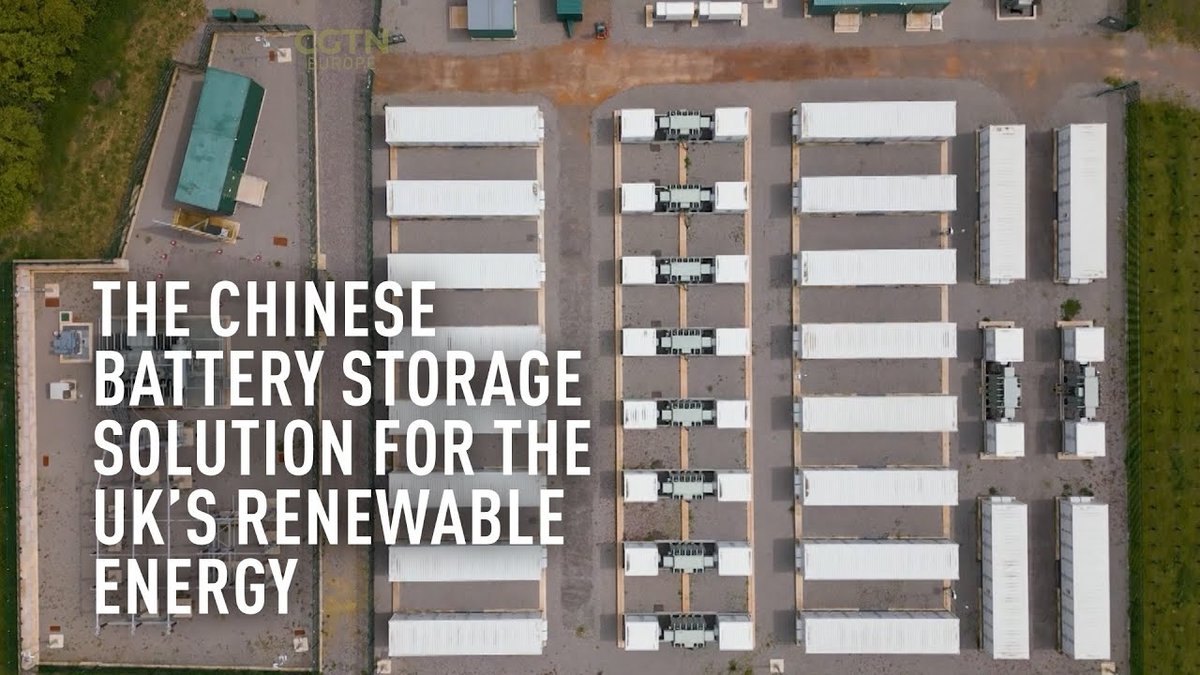
Imagine a world where your home's power isn't dictated by the grid, where blackouts are a mere memory, and your electricity bill significantly shrinks, or vanishes entirely. This isn't a futuristic dream; it's the present reality offered by Off-Grid Battery Storage Solutions. These systems are the silent, powerful heart of any independent energy setup, allowing you to harness, store, and utilize your own electricity, often from renewable sources like solar, whenever you need it most.
Whether you're looking to achieve true energy independence, drastically reduce your carbon footprint, or simply gain robust resilience against power outages, understanding off-grid battery storage is your first crucial step. It's about taking control of your energy future, ensuring a reliable, sustainable power supply for your home, no matter what the outside world throws at it.
At a Glance: What You'll Learn About Off-Grid Battery Storage
- Energy Independence: Break free from utility reliance and rising electricity costs.
- Renewable Power Maximization: Store excess solar or wind energy for use day or night.
- Blackout Protection: Keep your lights on, appliances running, and essentials powered during grid outages.
- Diverse Technologies: Explore Lithium-ion, LiFePO4, Lead-acid, and emerging battery types.
- Top Systems Reviewed: Get an expert breakdown of leading residential off-grid battery brands.
- Smart Sizing & Integration: Learn how to match capacity to your needs and integrate with solar.
- Maintenance & Lifespan: Understand what it takes to keep your system running optimally for years.
- Financial & Environmental Benefits: Discover how these systems save money and reduce your carbon footprint.
Why Untether Your Home: The Compelling Case for Off-Grid Battery Storage
Going off-grid, or at least significantly reducing your grid reliance with battery storage, is more than just a trend; it's a strategic move towards a more secure and sustainable lifestyle. The benefits extend far beyond simply having power when the grid goes down.
Think about the sheer independence: you generate your own electricity, store it, and use it on your terms. This translates directly into significant cost savings over the long term, shielding you from unpredictable utility rate hikes. It also means reducing your carbon footprint, integrating seamlessly with renewable energy sources like solar panels to power your home with clean, sustainable energy.
And let's not forget resilience. In an age of increasingly frequent and severe weather events, having a robust backup power system isn't a luxury; it's a necessity. Off-grid battery storage ensures your critical appliances remain operational, your food stays cold, and your family stays safe and comfortable, even when everyone else is in the dark. These systems are incredibly scalable, capable of meeting diverse energy demands, from powering a few essential devices to keeping an entire home or business running smoothly.
Charting Your Course: Understanding Your Home's Energy Demands
Before you even think about specific battery brands or technologies, the most critical step is understanding your home's energy appetite. Selecting the optimal battery capacity isn't a guessing game; it's a precise calculation based on your actual energy consumption, how long you want backup power, and the physical space you have available for the system.
Start by auditing your daily energy usage. What appliances do you run? How often? For how long? Are there "must-have" items (refrigeration, lights, medical devices) versus "nice-to-have" items (TV, laundry)? Many homes find a sweet spot by first focusing on powering essential circuits, rather than trying to power everything during an extended outage.
Your desired backup duration is another key factor. Do you need power for a few hours, a full day, or several days in a row? This directly impacts the total kilowatt-hour (kWh) capacity you'll need. Don't forget to account for peak demand – those moments when multiple high-draw appliances might run simultaneously. A professional energy audit can be incredibly helpful here, providing accurate figures and helping you prioritize.
The Heart of the System: Off-Grid Battery Technologies Explained
Not all batteries are created equal. The technology under the hood significantly impacts performance, lifespan, safety, and cost. When evaluating off-grid battery storage solutions, you'll primarily encounter a few key types:
Lithium-ion (Li-ion)
This is the reigning champion for many residential applications, and for good reason. Lithium-ion batteries boast high energy density, meaning they pack a lot of power into a smaller, lighter package. They typically have a longer lifespan, a lower self-discharge rate (they hold a charge better when not in use), and can handle high charge and discharge rates, making them incredibly efficient. Many popular systems, like the Tesla Powerwall and LG Chem RESU, leverage variations of lithium-ion technology.
Lithium Iron Phosphate (LiFePO4 or LFP)
A standout within the lithium-ion family, LiFePO4 batteries offer enhanced safety features. They are inherently more stable, reducing the risk of thermal runaway (overheating) compared to other lithium chemistries. They also offer an exceptionally long lifespan, often rated for thousands of cycles, and are free from harmful heavy metals like lead or cadmium, making them a more environmentally friendly choice. Sonnen Eco and SimpliPhi PHI batteries are prime examples using this robust technology.
Lead-Acid
For years, lead-acid batteries were the standard for off-grid power, and they still have their place. They are generally more affordable upfront, reliable, and widely available. Capable of handling deep discharges and providing high surge currents, they can be a cost-effective solution. However, they typically have a shorter lifespan than lithium-ion alternatives, require more maintenance (like checking water levels in flooded versions), and are larger and heavier for the equivalent energy capacity. The Trojan Battery SPRE 06 255 is a classic example of this reliable, deep-cycle technology.
Flow Batteries
An emerging contender, flow batteries store energy in a liquid electrolyte within external tanks. This design allows for larger-scale storage and makes them highly scalable by simply increasing the size of the electrolyte tanks. A major advantage is that the electrolyte solutions can often be derived from non-toxic and sustainable materials, offering a greener profile. While less common in residential settings currently, their potential for large-scale, long-duration storage is significant.
Sodium-Ion Batteries
Another exciting emerging alternative, sodium-ion batteries utilize abundant sodium instead of rarer lithium. This could lead to potentially safer and more cost-effective energy storage solutions in the future. While still in early stages for widespread residential use, they represent a promising direction for sustainable battery development.
Top Off-Grid Battery Storage Systems for Your Home: A Deep Dive
With a foundational understanding of battery types, let's explore some of the leading off-grid battery storage solutions available today. Each system brings its own strengths, design philosophies, and ideal use cases to the table.
Tesla Powerwall
The Icon: The Tesla Powerwall is practically synonymous with home battery storage. This sleek, wall-mounted lithium-ion battery system offers a substantial 13.5 kWh capacity with 100% depth of discharge, meaning you can use every bit of stored energy. It's designed to integrate seamlessly with solar panels, automatically detecting grid outages and switching to backup power within milliseconds – so fast you barely notice. You can stack multiple units for increased capacity, and monitor everything via a user-friendly mobile app. Installation typically takes 1-2 days, making for a quick transition to energy independence.
LG Chem RESU
The Versatile Workhorse: LG Chem's RESU series is a highly versatile lithium-ion battery system, available in a wide range of capacities from 3.3 kWh up to 16 kWh. Its compact design allows for flexible indoor or outdoor installation, making it suitable for various home layouts. Boasting high energy density and up to 95% round-trip efficiency, it ensures minimal energy loss. Compatible with many inverter brands, it features advanced battery management systems (BMS) for safety and comes with a solid warranty of up to 10 years or 22.4 MWh throughput, offering peace of mind.
Sonnen Eco
German Engineering for Longevity: The Sonnen Eco is a German-engineered system that champions Lithium Iron Phosphate (LiFePO4) technology, prioritizing safety and a long lifespan. Capacities range from 5 kWh to 20 kWh, backed by an impressive 10,000-cycle lifespan and a 10-year warranty. The system allows for app-based monitoring and has the unique ability to create a microgrid with other Sonnen systems, enabling energy sharing and enhanced community resilience. It integrates exceptionally well with various renewable energy sources, making it a robust choice for sustainable homes.
Enphase Encharge
Modular Reliability: Enphase, known for its microinverter technology, brings modularity to battery storage with its Encharge system. Each module offers 3.5 kWh capacity, allowing for highly customizable and expandable storage tailored precisely to your needs. It integrates seamlessly with Enphase microinverter solar systems, automatically adapting to changes in solar production and consumption. This modular design not only enhances reliability (if one module fails, others continue) but also simplifies installation and maintenance.
Generac PWRcell
Whole-Home Powerhouse: The Generac PWRcell is a modular system built for significant power demands, with capacities ranging from 9 kWh to a powerful 36 kWh. It integrates effectively with both new and existing solar installations. What sets it apart is its intelligent power management system, which can prioritize energy sources and is robust enough to power an entire home or selected essential circuits during blackouts. Remote management via a smartphone app adds convenience and control.
SimpliPhi PHI Battery
Safety-First, Modular Design: SimpliPhi focuses on safety and efficiency with its PHI Battery, utilizing Lithium Iron Phosphate (LiFePO4) chemistry. Its modular design offers 3.8 kWh per module and boasts an exceptional 98% round-trip efficiency. The warranty covers 10,000 cycles or 10 years, reflecting its durability. A key advantage is its advanced chemistry, which virtually eliminates the risk of thermal runaway, making it one of the safest options on the market. It's also compatible with a wide range of inverters and charge controllers, offering flexibility.
Blue Ion 2.0
Long-Life, Expandable Power: The Blue Ion 2.0 is an advanced Lithium Ferrous Phosphate (LFP) battery system celebrated for its exceptionally high cycle life and impressive depth of discharge. It stands out with a generous 15-year warranty, demonstrating confidence in its longevity. Its modular design allows for significant expansion, starting from a single 8 kWh battery and scaling up to an enormous 448 kWh for larger applications. Equipped with advanced BMS and remote monitoring capabilities, it integrates smoothly with popular inverters.
Iron Edison Lithium Battery
Rugged & Rapid LFP: Iron Edison specializes in robust Lithium Iron Phosphate (LiFePO4) technology, known for its resilience. These batteries offer a 5,000+ cycle lifespan, which translates to over 13 years of daily use, and up to 100% depth of discharge. Key benefits include their exceptional durability, rapid charging capabilities, and minimal maintenance requirements (no watering needed, unlike lead-acid). Safety is paramount, as they are non-toxic and fire-resistant. An advanced Battery Management System (BMS) optimizes energy flow, handles high charge/discharge rates, and provides comprehensive protection. Their flexible and scalable capacity options make them suitable for diverse off-grid setups.
OutBack Power SkyBox
The All-in-One Controller: The OutBack Power SkyBox isn't just a battery; it's an all-in-one hybrid inverter system that intelligently integrates solar panels, batteries, and even generators. It features a sophisticated energy management system designed to optimize power flow from multiple sources. A user-friendly interface, coupled with remote control via a smartphone app, makes managing your complex off-grid system surprisingly straightforward. It's a comprehensive solution for those looking for a single point of control.
Trojan Battery SPRE 06 255
Traditional & Reliable Lead-Acid: Representing the dependable lead-acid category, the Trojan Battery SPRE 06 255 is a reliable, deep-cycle battery with a 6V configuration and 255Ah capacity. It utilizes advanced lead-acid technology to deliver consistent power. Known for its robust construction, it's designed to withstand harsh environments, making it a go-to choice for cabins or remote applications. While requiring more maintenance than lithium options, its high cycle life within its category and proven track record make it a cost-effective choice for specific off-grid scenarios.
Seamless Integration: Marrying Batteries with Your Solar Setup
If you're considering off-grid battery storage, chances are you're also thinking about solar power – or already have it. The beauty of these systems lies in their ability to integrate effortlessly with renewable energy sources.
For homes with existing solar panels, adding batteries involves incorporating a charge controller and an inverter suitable for off-grid operation. The charge controller manages the power flow from your solar panels to your batteries, preventing overcharging and optimizing efficiency. The inverter then converts the direct current (DC) stored in your batteries into alternating current (AC) that your home appliances use. Many modern battery systems, especially the hybrid ones, simplify this by integrating these components.
However, proper sizing and installation are absolutely critical for safety and optimal performance. It's strongly recommended to consult with a professional solar and battery installer. They can assess your current system, energy needs, and local regulations to ensure a perfectly integrated and efficient setup. This expertise prevents costly mistakes and maximizes your return on investment. If you're looking to delve deeper into the mechanics of self-sufficient energy generation, you might explore Natures Generator Hub for comprehensive resources.
Beyond the Initial Install: Maintenance & Maximizing Lifespan
An off-grid battery storage system is a significant investment, and like any valuable asset, it thrives on proper care. While modern lithium-ion systems are largely "set it and forget it," some routine checks and professional attention will ensure maximum lifespan and performance.
Your Role in Maintenance:
- Regular Inspection: Periodically check your batteries for any visible signs of wear, corrosion, or leaks (especially for lead-acid).
- Clean Connections: Ensure all cable connections are clean and tight. Loose or corroded connections can lead to inefficiencies and safety hazards.
- Water Levels (Lead-Acid): If you opt for flooded lead-acid batteries, regular checks and refilling of distilled water are essential. This is critical for their performance and longevity.
- Monitoring App: Most modern systems come with a mobile app. Get familiar with it! Monitor system performance, identify any anomalies, and ensure software updates are applied when prompted.
Professional Maintenance is Key:
Scheduling annual professional maintenance is highly recommended. Technicians can perform deeper diagnostics, check for firmware updates, inspect electrical components, and replace any aging parts proactively. This proactive approach can catch minor issues before they become major, costly problems, ensuring your system remains efficient and safe for its entire projected lifespan. Remember, batteries are chemical machines, and treating them well means they'll serve you well for years to come.
Navigating the Practicalities: Cost, Incentives, and Home Insurance
Investing in off-grid battery storage involves financial considerations that extend beyond the upfront purchase price. Understanding these aspects can help you make a more informed decision.
Government Incentives: Lowering Your Costs
The good news is that various government incentives are often available to help offset the cost of installing off-grid energy storage systems. These can include:
- Federal Tax Credits: The Investment Tax Credit (ITC) in the U.S. currently offers a significant percentage off the cost of solar installations and qualifying battery storage.
- State and Local Rebates: Many states, counties, and even municipal utilities offer their own rebates, grants, or performance-based incentives for installing renewable energy systems, including battery storage.
- Property Tax Exemptions: In some areas, adding a renewable energy system might make you eligible for property tax exemptions or abatements.
These incentives can drastically reduce your net investment, making off-grid living more accessible. Always research what's available in your specific area and consult with your installer, as they often have the latest information on applicable programs.
Home Insurance Rates: A Surprising Benefit?
You might wonder how installing an off-grid system impacts your home insurance. Interestingly, some insurers may offer lower home insurance premiums for properties with off-grid storage systems. This is often due to the perceived reduction in grid dependence and increased resilience against common power-related claims. A home that can maintain power during an outage might be seen as less risky.
However, it's not a universal rule. Some insurers might adjust rates based on the perceived risks associated with the installation itself or the specific type of battery technology used. It's crucial to discuss your plans with your insurance provider before installation to understand any potential impacts on your policy and ensure your new system is properly covered.
Climate Considerations: Keeping Your Batteries Happy
Batteries are sensitive to temperature, and extreme conditions can significantly impact their performance, efficiency, and overall lifespan.
- High Temperatures: Excessively hot environments are particularly detrimental to batteries. High temperatures can accelerate chemical degradation, reduce battery life, and decrease efficiency. For instance, a battery regularly operating at 90°F (32°C) might have a considerably shorter lifespan than one at 70°F (21°C).
- Cold Temperatures: Conversely, cold temperatures can decrease a battery's usable capacity and slow down charging and discharging rates. While most modern systems are designed to operate in a range of temperatures, extremely cold conditions might require additional insulation or even a heating element to maintain optimal performance.
When choosing your system, consider your local climate. If you live in an area with extreme heat or cold, selecting a battery designed for those conditions, or ensuring it's installed in a climate-controlled space (like a garage or basement), is crucial. The manufacturer's specifications will detail the optimal operating temperature range, and adhering to these guidelines will ensure your investment lasts as long as possible.
Common Questions Before You Dive In
Embarking on the journey to energy independence can bring up a lot of questions. Here are some of the most common ones we encounter:
What's the real cost of going off-grid with batteries?
The cost varies widely based on your energy needs, chosen battery capacity, technology, and installation complexity. A basic system for essential loads might start around $15,000-$25,000, while a whole-home solution for a larger property could easily range from $30,000 to $70,000+. Remember to factor in solar panel costs if you don't already have them. While the upfront investment is significant, long-term savings on utility bills and potential incentives can make it a financially sound decision.
How long do off-grid batteries last?
Lifespan depends heavily on battery chemistry, cycle depth, and temperature management.
- Lithium-ion (including LiFePO4): Typically 10-15 years, or 3,000 to 10,000 charge cycles. Many come with a 10-year warranty.
- Lead-acid: Generally 5-10 years, or 500 to 2,000 cycles, often requiring more maintenance.
Proper maintenance and avoiding excessive discharge/charge cycles will extend any battery's life.
Can I really power my entire home off-grid?
Yes, absolutely. With proper sizing, a well-designed off-grid battery storage system combined with sufficient renewable energy generation (like a large solar array) can power an entire home. The key is accurately assessing your total energy demand and sizing the system to meet both your average daily usage and peak loads, with enough reserve for cloudy days or extended periods without generation.
Is off-grid battery storage safe?
Modern battery storage systems, especially those from reputable manufacturers, are designed with multiple safety features. Lithium Iron Phosphate (LiFePO4) chemistry is particularly noted for its enhanced safety profile due to its thermal stability. Advanced Battery Management Systems (BMS) monitor voltage, current, and temperature, preventing overcharging, over-discharging, and overheating. Always ensure professional installation by certified technicians to adhere to all safety codes and best practices.
Making Your Choice: A Decision Framework
Choosing the right off-grid battery storage solution is a significant decision. To help you navigate the options, consider this framework:
- Assess Your Needs:
- Energy Audit: Determine your daily kWh consumption.
- Prioritize Loads: What absolutely must stay on during an outage?
- Desired Backup Duration: How many days of autonomy do you need?
- Future Expansion: Do you plan to add more capacity later?
- Evaluate Battery Technologies:
- Budget: Lead-acid is often cheaper upfront, Li-ion has a higher initial cost but lower long-term cost of ownership.
- Lifespan & Maintenance: Lithium chemistries offer longer life and less maintenance.
- Safety: LiFePO4 offers superior safety characteristics.
- Environmental Impact: Consider the materials and recyclability.
- Compare Top Systems (from our list and beyond):
- Capacity: Does the system offer enough kWh for your needs, or is it scalable?
- Efficiency: Look for high round-trip efficiency (e.g., 90%+).
- Inverter Compatibility: Will it work with your existing or planned solar inverter?
- Warranty: What does it cover (years, cycles, MWh throughput)?
- Monitoring & Control: Does it have a user-friendly app and smart features?
- Installation: What are the requirements (indoor/outdoor, wall/floor mount)?
- Factor in Externalities:
- Climate: Is the system robust enough for your local temperatures?
- Incentives: What tax credits or rebates are available to you?
- Professional Help: Always budget for professional consultation, design, and installation.
Your Next Steps Towards Energy Independence
The path to off-grid living or enhanced energy resilience is both empowering and practical. You now have a solid foundation to understand the core concepts, evaluate the leading solutions, and consider the critical factors for your home.
Ready to take control of your energy? Start by connecting with qualified local installers who specialize in off-grid and hybrid energy systems. They can provide a personalized energy audit, offer tailored system recommendations, and guide you through the exciting process of designing and installing your own reliable, sustainable home power solution. The future of your home's energy security is literally in your hands.